Why Some Niches Get More Platform Scrutiny
Learn why specific niches trigger stricter ad reviews, what risk signals drive disapprovals, and how media buyers keep CPA stable while scaling.

By The Adtucon team
Updated
Platform scrutiny is not evenly distributed. Some niches pull more frequent reviews, tighter interpretations, and faster enforcement, even when you think you are clean. If you manage daily spend, this shows up as lost volume, reset learning, and unstable CPA.
Most of the time it is not personal. It is how platforms manage risk at scale while protecting users, limiting legal exposure, and filtering low quality advertisers. If your niche touches regulated claims, sensitive user attributes, or elevated complaint rates, assume higher review intensity across ads and landing pages.
This breaks down what drives scrutiny, how risk is evaluated, and what to change so you keep testing velocity without sacrificing account health.
Why platforms scrutinize certain niches more than others
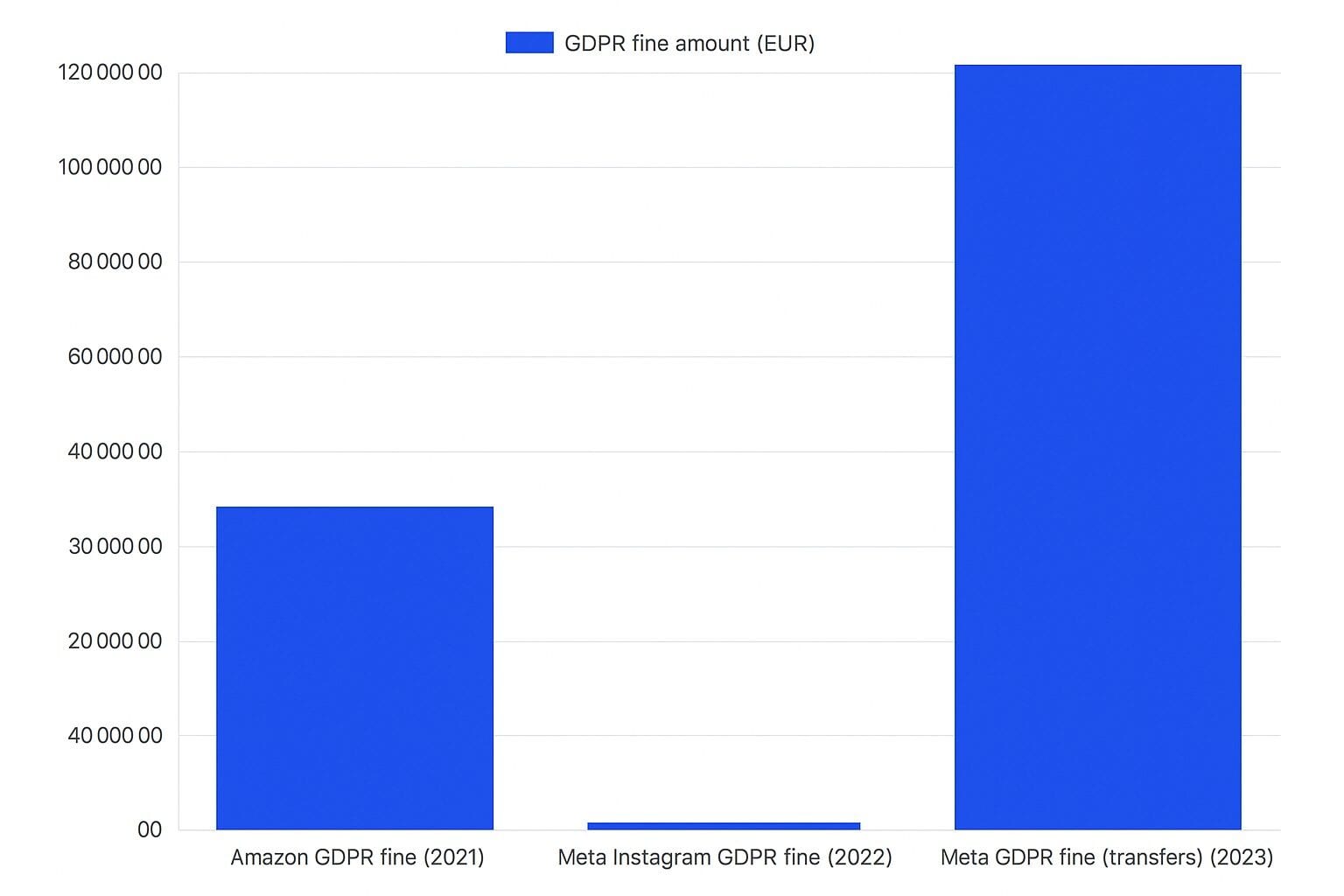
Platforms prioritize trust because trust protects revenue. When a niche historically generates more user harm, chargebacks, misinformation, or regulator attention, it becomes a high risk category. That raises the probability of manual review, stricter automated thresholds, and deeper landing page audits that slow iteration cycles.
Several forces push a niche into higher scrutiny. First is regulatory exposure. Platforms need to demonstrate enforcement in areas like finance, health, and housing. Second is user protection. Categories with vulnerable audiences or emotional triggers drive higher complaint rates and negative feedback. Third is platform integrity. If a niche attracts bad actors running short lived accounts and rotating domains, the platform tightens systems for everyone competing in that auction.
Scrutiny also correlates with claim density and outcome uncertainty. The more your offer relies on projections, transformations, or implied certainty, the more substantiation the platform expects. That increases review time and creates scaling constraints even when performance is strong.
to find out what fits.
Start in chat- A person on chat$0
- Vertical checked$0
- Account opened$0
- Account certified$0
- Replaced if it falls$0
How scrutiny works in practice and how to prepare
Enforcement is a mix of automation and manual review. Automated systems score patterns in copy, creative, targeting, landing pages, and account history. When risk signals stack up, content escalates to a human. Sometimes restrictions apply at the account level, which is where volume stability breaks and attribution noise spikes.
The most effective approach is a compliance first workflow that still protects conversion rate. Use the process below to reduce avoidable flags while keeping persuasive messaging intact.
A practical pre flight checklist you can run before launch
- Map policies to your funnel: Identify which rules apply to your niche, including claims, personal attributes, and restricted targeting, then check every touchpoint. A compliant ad can still get blocked if the landing page crosses the line.
- Rewrite claims into verifiable statements: Replace absolutes and guarantees with specific, supportable language and clarify typical outcomes. This reduces misleading claims risk and makes manual reviewers less likely to read your copy as deceptive.
- Add trust assets on the landing page: Include clear business identity, contact methods, refund terms, and privacy disclosures. These elements lower consumer harm signals and improve reviewer confidence.
- Standardize creative to avoid before and after implications: Even without explicit before and after images, dramatic transformation language can trigger scrutiny. Use benefit led creative that avoids implying guaranteed personal change.
- Audit targeting and exclusions: Ensure you are not using prohibited sensitive categories or implying knowledge of personal circumstances. This is critical because personal attributes violations often lead to swift enforcement.
- Document substantiation: Keep citations, test results, certifications, and methodology ready. When a platform requests proof, fast, organized responses prevent prolonged downtime and protect budget allocation plans.
Actionable insight: create a policy diff document for each campaign that lists what changed versus the last approved version. When an ad set flips to disapproved mid scale, this isolates the variable that introduced new risk.
You hear it from a person.
- You hear it from a person, with what the platform told us. We read why it happened, fix what can be fixed and resubmit with you.
- If the account can't come back, you get a new one at no charge.

Risks and common mistakes that increase scrutiny
Scrutiny is rarely random. Most escalations follow repeatable patterns tied to inconsistency, ambiguity, and signals associated with prior abuse in the category.
A common mistake is optimizing purely for click through rate while ignoring complaint rate and landing page clarity. High engagement paired with low satisfaction is a platform red flag. Another issue is split ownership. The ad is compliant, but the landing page adds risky language, aggressive testimonials, or missing disclosures that trigger a broader review.
Watch for these high impact pitfalls:
Overpromising outcomes can trigger both ad rejections and broader account reviews, especially in niches tied to money, health, or personal circumstances. Brand new domains or frequent domain changes can look like evasion behavior. Inconsistent business identity across ads and pages increases fraud signals. Hidden costs or unclear subscription terms elevate refund disputes, which feeds back into stricter review. Policy edge testing with repeated near violations can cause the system to treat the entire account as higher risk.
Actionable insight: track your enforcement rate as a KPI, not just ROAS. Measure disapprovals per 100 ads and time to reinstatement. If those trend up, scaling will stall even if CPA looks fine today.
Where the money sits and what is still spendable.
- USD wallet5 days left8 days left
How to reduce scrutiny over time and scale with fewer interruptions
The goal is not to avoid scrutiny. In some niches you cannot. The goal is to build compliance resilience so approvals stay consistent, reviews resolve quickly, and enforcement does not cascade into account level restrictions that kill testing velocity.
Ask for accounts, each in its own market and time zone.
Treat compliance as a product feature of the funnel. Consistency, transparency, and substantiation create positive signals. Then build discipline so every new creative and page variant clears the same standards, which helps control CPA and limits volatility from stop start delivery.
- Create a claims library: Pre approve a set of compliant phrases, disclaimers, and proof references that writers must use. This prevents last minute copy from introducing prohibited guarantees that reset performance.
- Use controlled experimentation: Change one variable at a time when testing creatives or offers. This helps identify the trigger and avoids broad disapprovals across multiple ad sets that destroy volume stability.
- Strengthen landing page readability: Make pricing, terms, and expectations obvious above the fold. Clear disclosure reduces misrepresentation risk and lowers complaint likelihood.
- Build a rapid response kit: Prepare business verification docs, substantiation files, and support contact templates. Fast responses reduce downtime and show good faith compliance during escalations.
- Monitor negative feedback signals: Track refunds, chargebacks, support tickets, and comment sentiment. These indicators often precede tighter review thresholds and signal decay at the account level.
The goal is not to avoid scrutiny.
Actionable insight: when you enter a high scrutiny niche, start with conservative messaging and expand cautiously. Establish an approval baseline first, then iterate. This builds account trust and reduces the odds that early enforcement labels the account as risky.
Actionable insight: align your creative strategy with reviewer readability. Use plain language benefits, avoid implied sensitive traits, and ensure visuals match the offer. If a reviewer has to infer what you mean, they typically infer risk.
Some niches attract more platform scrutiny because platforms are managing reputational, legal, and user safety risk. The upside is that scrutiny is navigable when you know the triggers and operationalize a repeatable compliance workflow.
By tightening claims, improving landing page transparency, controlling experiments, and monitoring enforcement rate KPIs, you can scale with fewer disruptions while protecting long term account health. If you want help diagnosing why your niche is being flagged and building a practical compliance and growth plan, Contact us
$13.2M in October, more than 4x since April 2026.
How we count- 500+client teams
- 19client teams above $100k in the last 30 days
- 50client teams above $10k in the last 30 days
Client ad spend on Meta, TikTok and Snapchat, without our own group companies and unattributed spend, to 31 October 2026.
Stop reading. Start spending.
We tell you what fits before you pay anything. Agency ad accounts by platform
Chat on TelegramPrefer WhatsApp? We're there too.
- A person on chat$0
- Vertical checked$0
- Account opened$0