Why Media Buyers Must Think Like Risk Managers
Media buyers should manage spend like risk: set loss limits, watch guardrails, validate attribution, reduce concentration, and scale with stable volume.

By The Adtucon team
Updated
Modern performance marketing is less about buying placements and more about running a spend portfolio under uncertainty. Attribution rules shift, auctions move hourly, and creative fatigue can wipe out a stable CPA in a day. In that environment, buyers who think like risk managers make cleaner calls because they assume volatility and plan around it.
Thinking like a risk manager is not about playing small. It is about a repeatable way to define, measure, and cap downside while still pushing upside. With a risk mindset, you move from reactive tweaks to a disciplined process that protects budget, increases testing velocity, and keeps volume stability predictable.
Risk management is the missing layer in media buying
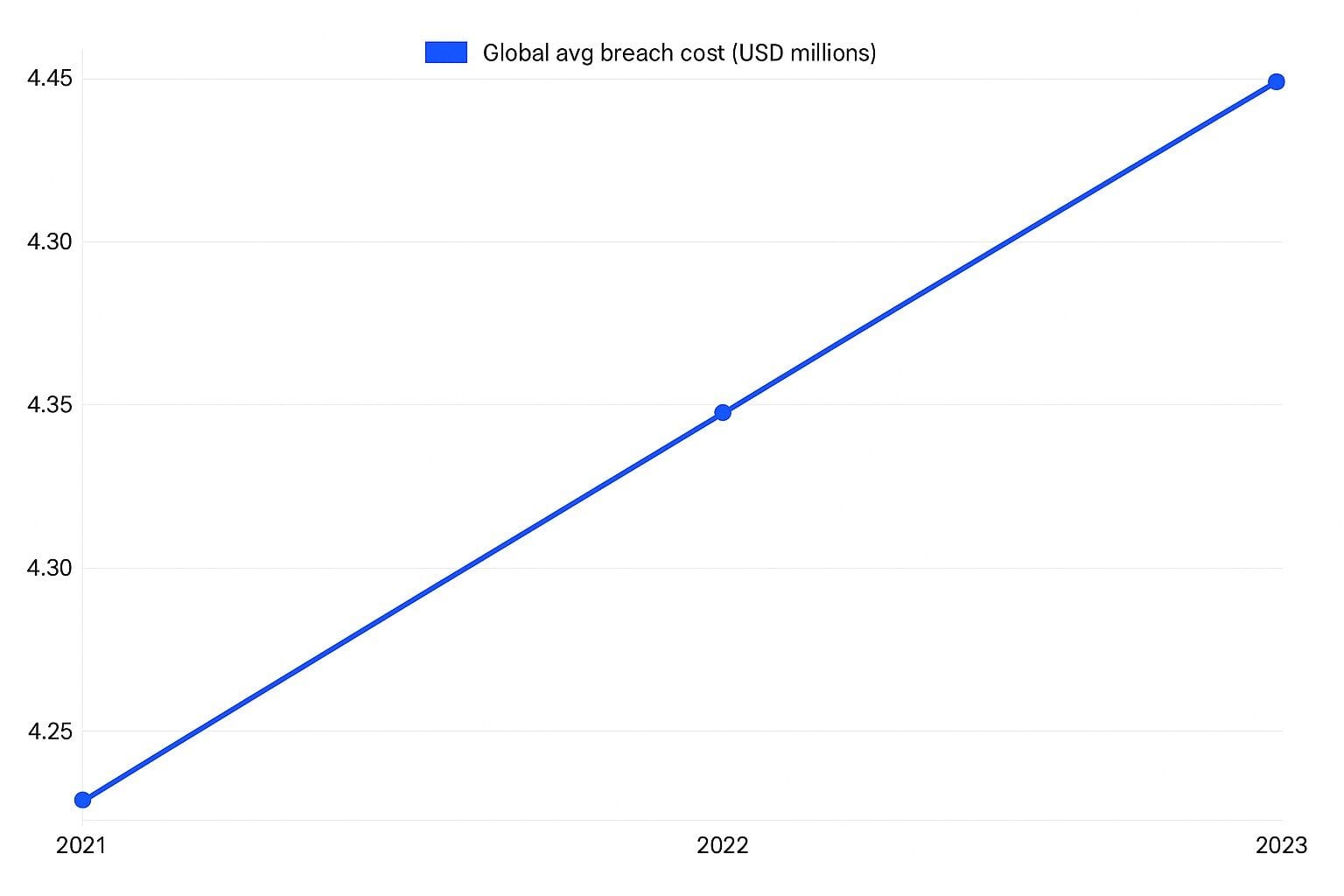
Most teams track performance. Fewer manage the conditions that create performance. A risk approach forces clarity on what can break, how fast it can break, and what you will do before it does. That shift turns optimization into controlled experimentation and turns reporting into decision grade measurement.
In paid media, risk management means separating signal vs. noise, flagging single points of failure such as one channel, one audience, one creative concept, and designing safeguards so one change does not sink the whole program. The upside is not just fewer blowups. It is faster scaling because you increase spend with known risk limits, not gut feel.
How to apply risk thinking to campaign decisions
A useful way to start is to treat every budget increase, targeting change, or creative refresh as a risk event with an expected return. You do not need complex math. You need consistent definitions, thresholds, and stop rules so the team can act quickly and consistently.
to find out what fits.
Start in chat- A person on chat$0
- Vertical checked$0
- Account opened$0
- Account certified$0
- Replaced if it falls$0
A practical risk checklist for media buyers
- Define a loss limit before you launch: set a maximum acceptable CPA or ROAS deviation and a time window, for example, 20% CPA increase for 48 hours. This prevents the just one more day overspend and forces disciplined stops.
- Tag and track every change: log campaign edits such as creative, bid strategy, landing page, and audience so you can isolate what drove movement. Without change logs, you cannot learn cleanly, and you will misattribute wins and losses.
- Use guardrail metrics: watch leading indicators like CPM, CTR, CVR, and frequency to catch deterioration early. Guardrails matter because revenue metrics lag, especially with delayed conversion cycles.
- Segment budget by certainty: allocate spend across proven, improving, and experimental buckets. This keeps learning velocity high while protecting core efficiency.
- Validate attribution assumptions: compare platform reported results against analytics and holdout or geo tests when possible. This reduces model risk where the dashboard looks good but incremental lift is weak.
- Stress test creative fatigue: plan refresh cadence based on frequency and marginal CPA trends, not a fixed calendar. This avoids sudden drop offs when the audience saturates.
To evaluate whether this is working, measure how often you catch issues via guardrails before core KPIs collapse. A strong risk practice increases the percentage of small corrections and decreases the number of full resets.
Common risks and mistakes that quietly destroy performance
Most expensive failures come from treating uncertainty as an anomaly. The common pattern is scaling a short term winner without isolating what made it win, then getting surprised when the auction shifts, signal decays, or the audience saturates.
Watch for these pitfalls and the consequences they create:
Over concentration risk happens when too much performance depends on one platform, one offer, or one audience. If policy changes, CPM spikes, or a competitor outbids you, you lose leverage instantly. Reduce concentration by building at least two viable acquisition paths and proving them with real spend.
Measurement drift happens when tracking changes, consent shifts, or attribution windows alter results without a clear alert. The fix is to monitor data completeness such as event match quality, conversion volume by source, and discrepancies between systems, then treat large gaps as operational incidents, not marketing variance.
Optimization whiplash happens when teams change too many variables at once. The consequence is false learning and unstable delivery. Protect iteration cycles by limiting simultaneous edits and using structured tests, so you can attribute impact with confidence.
You hear it from a person.
- You hear it from a person, with what the platform told us. We read why it happened, fix what can be fixed and resubmit with you.
- If the account can't come back, you get a new one at no charge.

Creative blind spots happen when performance is judged only by CPA while ignoring fatigue signals. The outcome is sudden efficiency loss and higher costs to reacquire the same users. Mitigate this by tracking frequency, creative level conversion rates, and week over week decay.
Liquidity risk shows up when budget jumps faster than the available qualified audience. Platforms then expand into weaker pockets, raising CPA and hurting volume stability. Scale in steps, and require stable performance at each level before increasing again.
Where the money sits and what is still spendable.
- USD wallet5 days left8 days left
Optimize like a portfolio: scaling with controlled downside
Advanced media buying is not about finding one perfect campaign. It is about building a system that can absorb shocks. Risk managers diversify exposures, rebalance when conditions change, and invest more where probability adjusted return is strongest. Media buyers can do the same with portfolio budgeting, consistent testing, and clear stop rules.
- Create a testing pipeline with graduation criteria: define what qualifies a test to move into core, for example, CPA within target for 7 days at a minimum spend. This prevents endless experiments that never scale.
- Rebalance by marginal returns: shift budget based on incremental CPA or ROAS at the margin, not total performance. This helps you avoid overfunding a campaign that looks great overall but is deteriorating as it scales.
- Build redundancy in creative and landing pages: maintain multiple concepts and page variants so performance does not collapse when one asset fatigues or breaks. Redundancy is a key form of operational resilience.
- Use scenario planning: map what you will do if CPM rises 30%, if a top creative is disapproved, or if tracking loses 20% of events. Pre decisions reduce reaction time and protect spend.
- Separate exploration from exploitation: keep a fixed percentage for new angles and audiences, while protecting the best known drivers. This maintains learning velocity without sacrificing stability.
Ask for accounts, each in its own market and time zone.
Over time, the compounding benefit is a media program that scales with fewer surprises. You gain confidence to increase spend because you have defined limits, faster diagnostics, and a healthier mix of proven and emerging performance drivers.
Media buyers who think like risk managers do not reduce ambition. They reduce unforced errors. Set loss limits, monitor guardrails, diversify exposure, and validate measurement so CPA control and scaling constraints are handled deliberately, not emotionally.
If you want help building a risk managed media buying system with better controls, clearer testing, and more dependable scaling, Contact us.
$13.2M in October, more than 4x since April 2026.
How we count- 500+client teams
- 19client teams above $100k in the last 30 days
- 50client teams above $10k in the last 30 days
Client ad spend on Meta, TikTok and Snapchat, without our own group companies and unattributed spend, to 31 October 2026.
Stop reading. Start spending.
We tell you what fits before you pay anything. Agency ad accounts by platform
Chat on TelegramPrefer WhatsApp? We're there too.
- A person on chat$0
- Vertical checked$0
- Account opened$0